
Ask any woman in tech about her journey, and you'll likely hear a story that began with curiosity, was shaped by challenges, and continues to be driven by the satisfaction of building something that matters. This April, as we celebrate Women in Tech, we spotlight three inspiring women from HealthTech who create impact through empathy and innovative problem-solving, sharing their unique paths into technology and the moments that impacted their careers.
Meet Zengxin
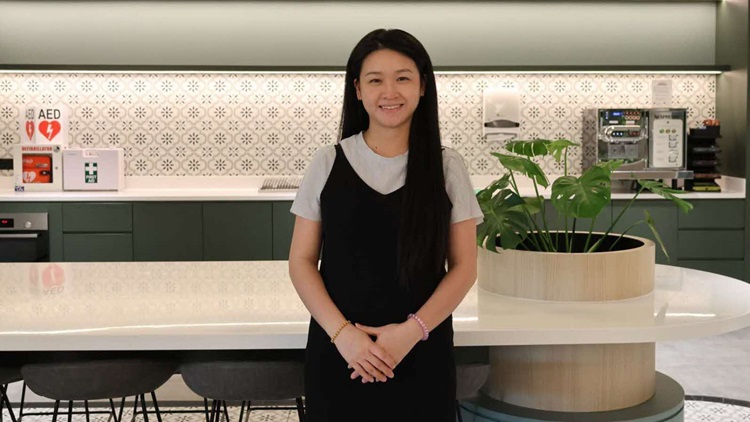
How did your journey into tech begin? Was it something you always planned, or did you find your way into it?
I studied Information Engineering & Media but wasn't initially certain about becoming a software developer—prevailing stereotypes made me question whether it was the right path for a woman. However, I was drawn to the problem-solving aspects of coding and decided to give it a try. Seven years later, I'm still a software developer, continually energised by tackling complex challenges and building solutions that genuinely help people.
What were some challenges you faced early on—especially as a woman in tech?
In my early career, I struggled with imposter syndrome and noticed the scarcity of women in technical meetings and leadership positions, which made it difficult to envision long-term career progression. I had to be more intentional about voicing my ideas and demonstrating my technical expertise. While finding mentors and allies took time, their guidance and encouragement proved instrumental in building my confidence and professional growth.
Can you share a moment that really stayed with you? Was there a moment in your tech career when you realised, "This is where I belong"?
A particularly meaningful moment came when people outside my immediate team—including family and friends—shared how much they had benefited from an application I had worked on. Hearing these direct, positive testimonials about how the application had simplified their lives crystallised the real-world impact of my work. That validation from both users and peers affirmed that I truly belonged in tech.
What's a moment at work that made you feel truly proud?
I felt immense pride when I delivered a high-visibility feature end-to-end under a demanding deadline, whilst simultaneously solving a technical problem that had long puzzled our team. I took ownership of the entire process—design, implementation, testing, and documentation—coordinated with stakeholders, and developed a robust solution for a persistent legacy issue. Completing the delivery on schedule and receiving direct recognition from teammates for resolving that longstanding problem was deeply fulfilling.
What would you say to someone who's unsure about starting a career in tech?
Start small and embrace curiosity. Try an online course, build a simple project, or attend a local meetup. Tech is remarkably diverse—there's space for problem solvers, creative thinkers, and skilled communicators alike. You don't need comprehensive knowledge from the outset; persistence, openness to feedback, and cultivating supportive professional relationships will carry you far. If you enjoy solving problems and improving people's experiences, I'd encourage you to take that first step.
Meet Nataline
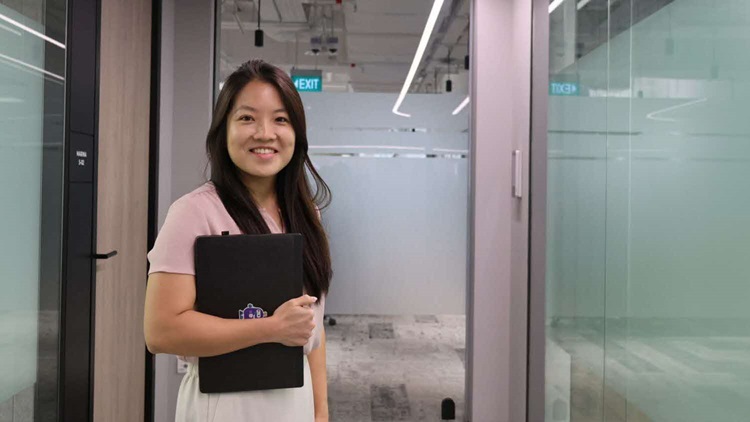
How did your journey into tech begin? Was it something you always planned, or did you find your way into it?
After five years in accounting, the COVID period prompted me to reflect on my career direction. I realised I wanted to leverage my analytical background to address problems in healthcare. The potential for technology to make meaningful contributions to public healthcare inspired me to pursue a Master's in Data Analytics at SMU, which provided the technical foundation I needed to transition into a healthcare tech role.
What were some challenges you faced early on—especially as a woman in tech?
Initially, I grappled with imposter syndrome, particularly as I observed that people often don't expect women to excel in technical roles. What proved transformative was discovering female role models and cultivating relationships with supportive colleagues—both men and women—on my team who openly shared their expertise and championed my development. Their mentorship was instrumental in building both my confidence and technical capabilities. Over time, this combination of role models and hands-on experience fundamentally shifted my self-perception.
Can you share a moment that really stayed with you? Was there a moment in your tech career when you realised, "This is where I belong"?
A pivotal moment occurred when I was able to draw upon transferable skills from my previous accounting role to understand a complex use case and collaborate with my team to translate the business problem into clear technical requirements. Witnessing how my cross-functional expertise contributed unique value to the solution made me realise that I not only belonged in tech, but brought distinctive perspectives that enhanced our collective capability.
What's a moment at work that made you feel truly proud?
What fills me with the greatest pride are those moments when stakeholders express genuine gratitude after we deliver a project. Their appreciation, coupled with seeing our technical work translate into improved workflows and better outcomes, provides a profound sense of accomplishment and serves as meaningful recognition of our collective efforts.
What helped you grow and thrive in your role over time?
Several factors have been crucial to my professional growth: supportive colleagues who generously share their knowledge, mentors who provide honest and constructive feedback, and maintaining a mindset that embraces learning through challenges. I'm particularly inspired by Synapxe's philosophy to "grow through what you go through," which reminds me to view setbacks as valuable learning opportunities and to persist in seeking innovative solutions.
Meet Datchenamourtti
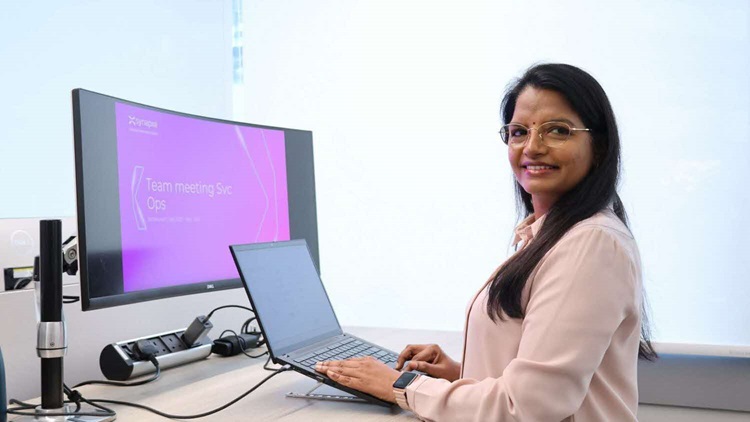
How did your journey into tech begin? Was it something you always planned, or did you find your way into it?
My journey into technology was quite deliberate, shaped from my school days where it nurtured a solution-oriented way of thinking. Over time, I developed the skills to build and deliver business solutions, and transitioning into healthcare technology felt especially purposeful. From supporting my very first application to working with CRM systems that serve as critical links between the public and healthcare services, my journey has been one of continuous learning and growth. Being part of a team that enables healthcare professionals to perform their roles effectively and seeing how our contributions help users better serve patients, has been deeply rewarding and continually reaffirms why this path feels right for me.
What were some challenges you faced early on—especially as a woman in tech?
Early in my career, one of my key challenges as a woman in tech was balancing multiple responsibilities and expectations simultaneously. Navigating this required constant prioritisation and adaptability in a demanding environment. Over time, however, this challenge became a strength. It sharpened my planning and execution skills, built resilience, and helped me deliver consistently. I believe these experiences shaped my confidence and capability, enabling me to manage complexity and perform effectively under pressure.
Can you share a moment that really stayed with you? Was there a moment in your tech career when you realised, "This is where I belong"?
A moment that truly stayed with me was when we as a team swiftly came together to resolve a critical system issue under intense pressure. Watching everyone collaborate, support one another, and stay focused on ensuring minimal impact to healthcare professionals was powerful. It reminded me that I was part of something bigger than just technology—we were enabling healthcare professionals to do their jobs effectively. That sense of teamwork and shared responsibility made me realise this is where I belong.
What's a moment at work that made you feel truly proud?
Working with healthcare professionals has reinforced for me how crucial listening is, especially in high-pressure environments. When teams take the time to truly understand operational realities and the challenges faced on the ground, it brings much greater clarity and enables more effective problem-solving. One such situation arose when an issue was reported that was initially interpreted quite differently from reality. Through careful listening and deeper engagement with users, we realised the problem was far more intricate than first understood. The solution wasn't straightforward—it required detailed and repeated analysis, close collaboration with subject matter experts, and multiple trials across teams. What made this moment especially meaningful was how our team approached it. We worked with patience, openness, and strong mutual support, never losing sight of the users we were supporting. Eventually, we developed a unique approach that improved the situation and addressed the underlying operational needs. Seeing the team persevere with such care and collaboration and knowing it helped healthcare professionals operate more effectively in an already demanding environment, was a moment that made me feel truly proud.
What would you say to someone who's unsure about starting a career in tech?
Starting a career in tech provides you the opportunity to learn and grow quickly on the job and build both technical and domain knowledge early in your career. What matters most is curiosity and willingness to learn. In healthcare technology, your work has real-world impact—even small contributions help healthcare professionals care for patients more effectively. That combination of continuous learning and meaningful impact makes tech a rewarding and purposeful career choice. 6. What helped you grow and thrive in your role over time? What helped me grow and thrive over time was a combination of strong leadership support, collaborative teamwork, continuous learning and a clear sense of purpose. Working in a fast‑evolving healthcare technology environment challenged me to continuously upskill, adapt, and deepen my domain understanding. Support and guidance from leaders played a vital role in my development—through trust, timely direction, and encouragement to take ownership. Having leaders and colleagues who fostered open dialogue and shared problem‑solving not only built my confidence but also strongly motivated me to give my best and continue growing in my role.
