Did you know that conditions such as diabetes and hyperlipidaemia remain among the most commonly diagnosed chronic diseases in Singapore? These conditions continue to affect the lives of many Singaporeans and place growing pressure on our healthcare system.
To address this challenge, the Assisted Chronic Disease Explanation using AI, otherwise known as ACE-AI, was developed to help relieve this burden using a systematic approach to predicting a patient’s likelihood of developing specific chronic conditions within the next three years. With its rollout in early 2027, this AI-powered technology has the power to transform preventive care – enabling earlier intervention and more personalised care for patients.
So how did this concept evolve into a key component of Singapore’s preventive healthcare ecosystem?
The team behind ACE-AI
We sat down with the team behind ACE-AI to find out more about how the platform came to life – tracing its journey from a simple idea to a technology now being piloted on a national level.
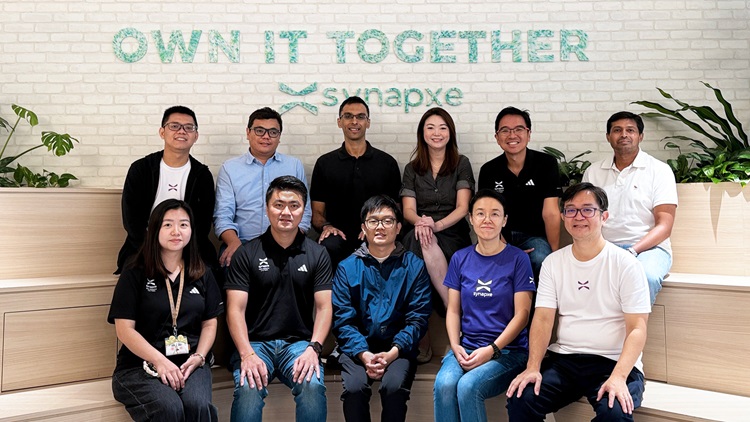
Drawing expertise from Data, AI & Innovation, Clinical Informatics Group, and Population Health – Synapxe's multidisciplinary team worked collaboratively to develop ACE-AI (Top row, L to R: Lim Fong, Daniel Yap Wei Qiang, Daveraj Sivasegaran, Chloe Khoo Li Kheng, Cheng Yong Leong, Pawan Neravati / Bottom row: Tania Tan Ruiying, Eric Kyaw Htoo Aye, Ong Jun Hong, Beverly Wang Zhiyu, Goh Han Leong)
As the conversation unfolded, the team took us on a trip down memory lane, back to the early days of the project. It was 2021, when members of Synapxe’s Data, AI and Innovation (DNAi) team came across emerging research on how digital tools could support doctors by analysing patient records. The timing could not have been more apt, as Singapore’s preventive care movement, later formalised as Healthier SG, was gaining momentum.
This sparked an important question that the group keenly discussed: Can we adapt this technology’s analytical capabilities for Singapore’s primary care setting?
That one simple question set the team on the path that would eventually lead to the development of ACE-AI. Here are the top five things you need to know about it:
1. Helping doctors see the bigger picture
With a rapidly ageing population, diagnoses of chronic conditions in Singapore are rising, which places growing strain on doctors and the healthcare system. Diagnosing and managing these chronic conditions is often a time-intensive process that requires doctors to understand a patient’s medical history, identify hidden risk factors, and create a personalised care plan to guide the patient in managing their condition, ultimately improving their long-term health.
This was the challenge the team set out to solve: “How can doctors quickly make sense of vast amounts of patient data and focus on what truly matters?” Recognising this challenge early, the team defined a clear objective - to empower doctors with the ability to quickly interpret complex patient data and surface the most critical insights, enabling more timely and targeted interventions for their patients.
2. Powered by a multi-disciplinary team
As with all innovations, ACE-AI was not a solitary effort.
Behind the tool is a diverse team of data scientists, clinicians and engineers drawn from five different departments. Each brought their unique perspectives and specialised expertise to the table, working collectively to design a solution that could effectively address the challenges faced by doctors.
Cross-team collaboration across Synapxe was essential, along with the inputs and feedback from clinicians themselves. This was a good reminder that the best healthcare technology isn't built in isolation, it is built with the people who use it.
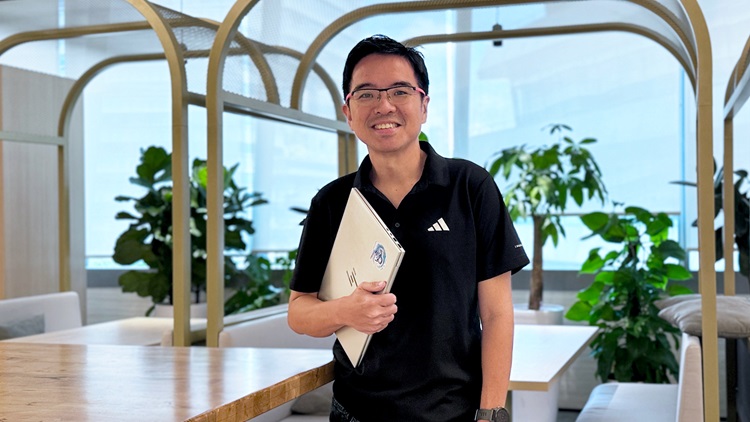
“The different teams all agreed on a common goal. Having that long‑term vision kept us focused no matter the challenges.” – Cheng Yong Leong, Assistant Director, Data, AI & Innovation, Synapxe
3. A vision brought to life
Once the cross-functional team was formed in 2021, they quickly set to work. Up until the first pilot in 2024, the team worked closely together through a continuous cycle of ideation, tweaking and rigorous testing.
In the early stages, the pace was intense. Team members spent significant time on the ground, visiting clinics and sitting with general practitioners to understand their workflows during consultations. They witnessed the sheer volume of information doctors analyse daily and the resulting challenges such as time pressure, greater cognitive load, managing many data sets and the need to track multiple chronic conditions across several patients simultaneously.
Those firsthand observations became the foundation everything else was built on.
Through it all, the team was driven by strong support from those around them. Encouragement from the clinicians, camaraderie among peers, and trust from Synapxe’s leadership were what pushed the project through moments of complexity and ambiguity.
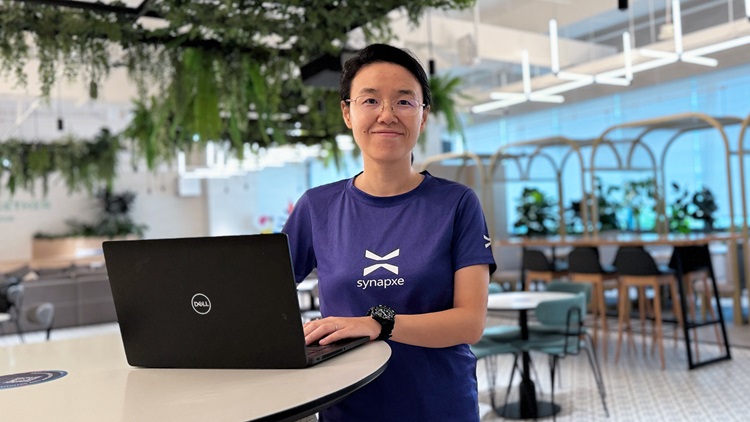
“Throughout this journey we faced many questions, challenges and difficulties. But alongside those, we also received encouraging words from doctors, colleagues and peers – these positive responses keep us going.” – Beverly Wang, Assistant Principal Specialist, Data, AI & Innovation, Synapxe
4. Built with Clinicians, for Clinicians
Each iteration of ACE-AI involved further conversations with clinicians, healthcare clusters, and polyclinic teams. Doctors were not just consulted, they were co-creators who played an active role in refining the tool, such as reviewing early outputs, challenging assumptions and highlighting what made sense and what did not in the reality of a busy clinic.
This close collaboration established clear design priorities: risk bands had to be intuitive, visual indicators needed to convey meaning at a glance, and the interface had to fit existing workflows and IT infrastructure rather than disrupt them.
Above all, the team was guided by a fundamental principle that ACE-AI was built to support clinical judgment, not replace it.
“If there is a tool that can replace manual data entry, not only would the analysis results be less likely to have errors, but it could also save me and my colleagues 10% to 15% of our working time,” - Dr. Chua Ying Xian, Head of the Innovation Team, National University Polyclinics
Original quote was translated from the Lianhe Zaobao article: 医生病患看好人工智能工具 要沟通别让它说了算 | 联合早报 (5 March 2026)
This principle was stress-tested in a three-month pilot in 2024 involving 18 general practitioners (GPs). For the first time, the team could see their efforts move out of the lab and into real-world consultations with real patient interactions.
The feedback from the pilot was encouraging. GPs found the visual cues clear and intuitive, and said the risk predictions helped structure more meaningful conversations with patients.
Several GPs found that using the tool in their routine consultations eased their cognitive load and freed them up to focus less on navigating years of data and more time on delivering quality care where it matters.
5. It's on track for nationwide rollout!
In 2025, ACE‑AI underwent further validation to strengthen the tool’s clinical relevance, preparing it for the upcoming nationwide rollout from early 2027.
Ahead of the rollout next year, the team is now busy focusing on the final stages of optimisation, ensuring accuracy, usability, and operational readiness at scale. At the same time, they continue to look ahead, exploring new possibilities such as expanding the model to predict the risk of other chronic conditions with significant local disease burden, and further enhancing its features.
“Our team is determined to cross the finishing line for this project, which will be the nationwide rollout and will be focusing all of our endeavours in working with our partners to see it through.” - Cheng Yong Leong, Assistant Director, Data aNalytics and AI, Synapxe
ACE-AI began with a single question asked by a group of people who believed technology could make a difference. From a spark of curiosity in 2021 to a tool that is set to support doctors across Singapore, ACE-AI is a testament to what becomes possible when diverse expertise, clinical insight, and a shared sense of purpose come together.
To find out more, visit: https://www.synapxe.sg/healthtech/health-ai/ace-ai
